You’ve probably seen them everywhere recently. Those sleek little discs that claim to vacuum and mop your floors without you lifting a finger. It sounds almost too convenient, right? A robot vacuum with mop combo promises to cut your cleaning time in half — but does it deliver, or is it just clever marketing?
Let’s get into it.
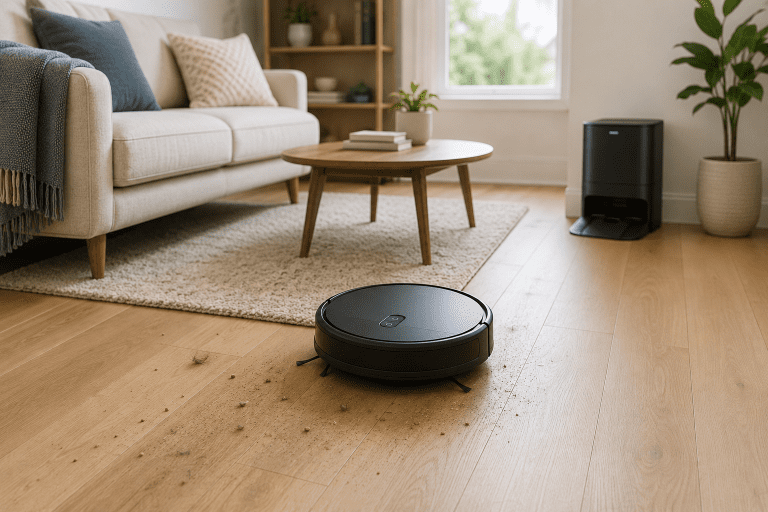
A 2-in-1 robot vacuum mop is pretty much what it sounds like. It’s a robotic cleaner that picks up dirt, dust, and debris like a standard robot vacuum — but it also has a water tank and mopping pad attached to tackle sticky messes and general grime on hard floors.
Some models do both functions at the same time. Others let you switch between modes. And the higher-end ones? They can automatically lift the mop pad when they detect carpet, then drop it back down when they hit hard flooring. That’s genuinely impressive engineering for a device that costs less than a weekend trip.
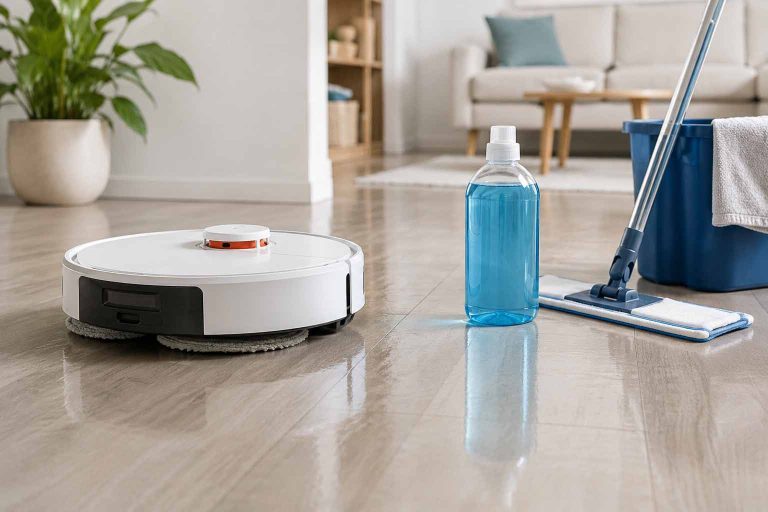
The mopping function on most mid-range models is more of a “light damp scrub” than a deep mop. It’s not going to tackle dried sauce or grout lines the way a traditional mop with elbow grease will. That’s worth knowing upfront.
Who Actually Benefits From One?
This is where it gets interesting. A robot vacuum mop combo isn’t for everyone — but for the right household, it’s a real game-changer.
It makes a lot of sense if you have:
Mostly hard floors. Tile, hardwood, vinyl plank — these surfaces are where the mopping feature shines. If 70% of your home is carpet, you’re not getting full value from the combo functionality.
A busy schedule. The whole appeal is set-it-and-forget-it cleaning. If you travel for work, have kids making constant messes, or just hate the chore cycle, having your floors vacuumed and lightly mopped while you sleep is legitimately useful.
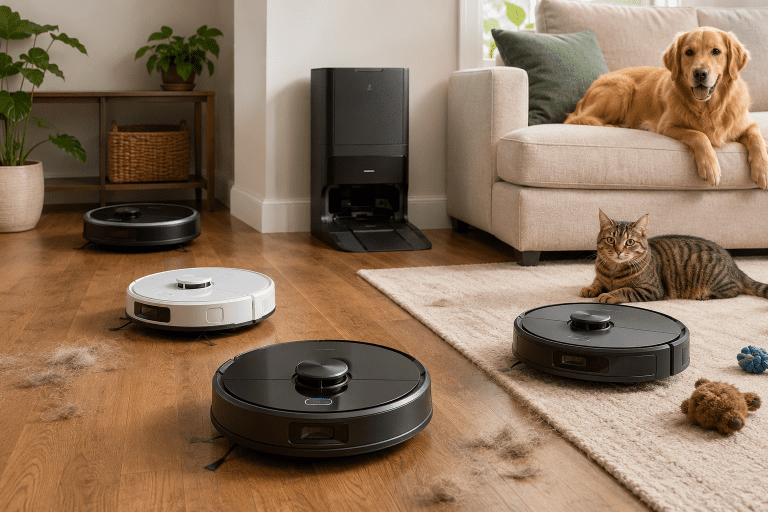
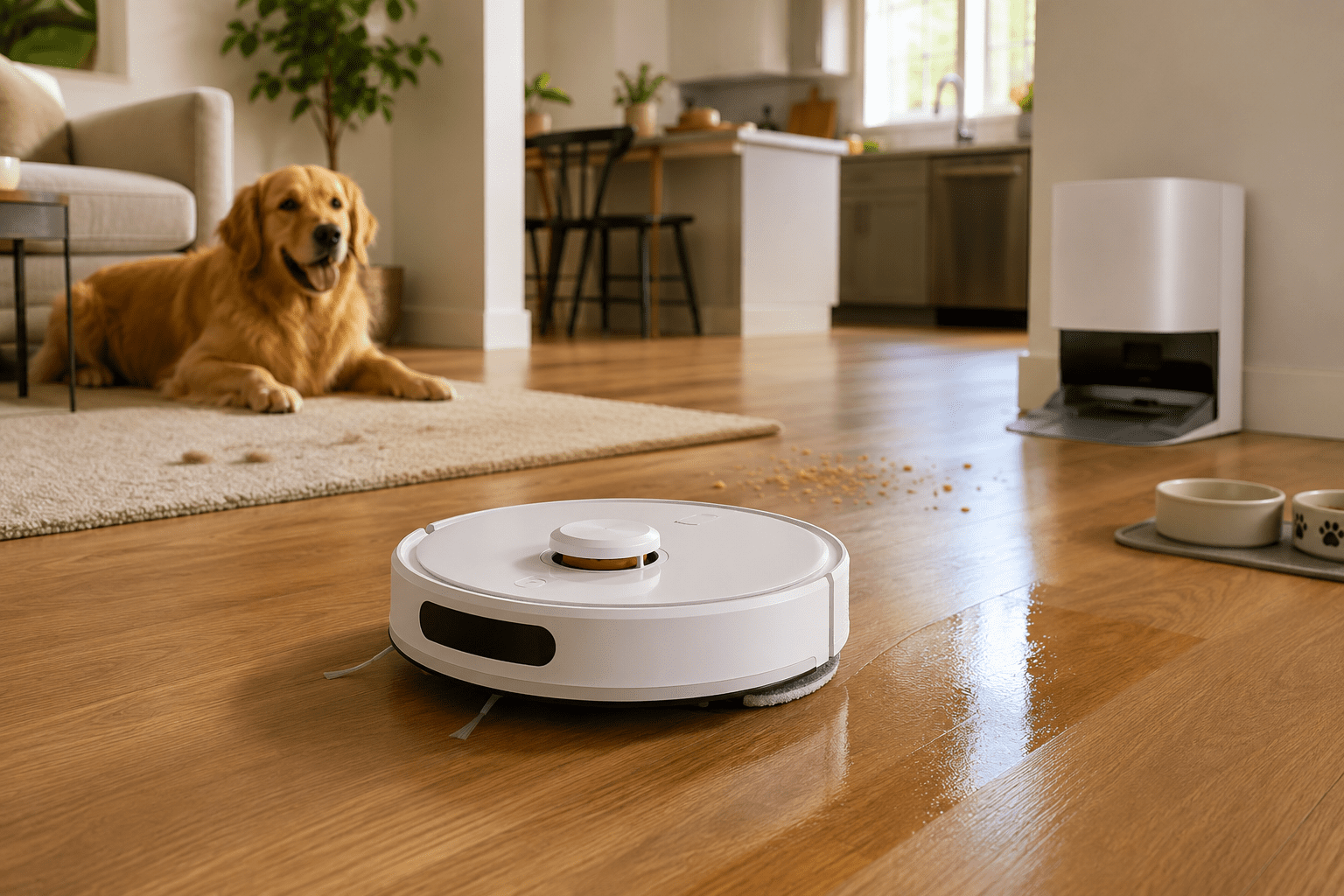
Pets. Pet hair on hard floors is where these machines really earn their keep. They pick up fur before it can drift under furniture, and the damp mopping helps with the fine dust and dander that vacuuming alone sometimes misses.
It might not be the right fit if:
You have mostly thick carpet. The mopping attachment doesn’t do anything useful on rugs, and cheaper models sometimes drag the wet pad across carpet anyway, which is obviously not ideal.
You expect restaurant-level clean floors. If you cook a lot and regularly deal with stubborn stains, you’ll still want to mop manually now and then. Think of the robot as maintenance cleaning, not deep cleaning.
What to Look For Before You Buy
There are a few specs that actually matter and a few that are mostly marketing noise.
Suction power is worth paying attention to. Look for models with at least 2,000 Pa of suction if you have pets or rugs. Budget options often dip below that and struggle with anything beyond light debris.
Water tank size affects how long it can mop before needing a refill. Tanks in the 100–300ml range are common. For a smaller apartment that’s fine; for larger homes, something on the higher end saves you from constant top-ups.
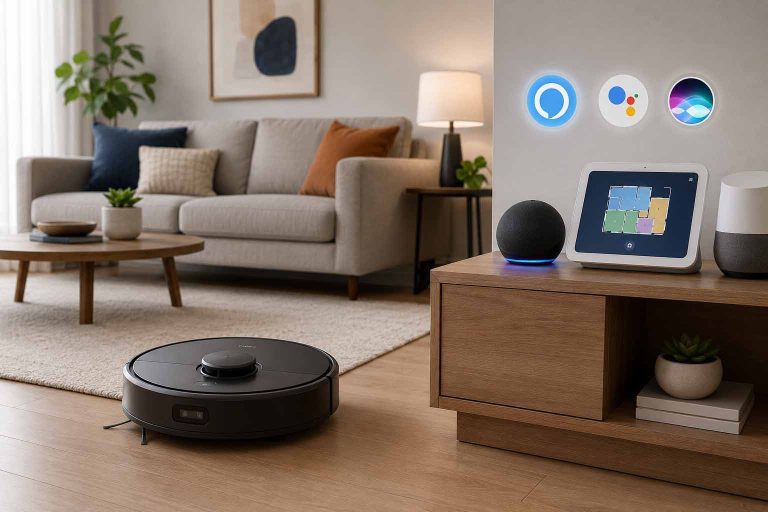
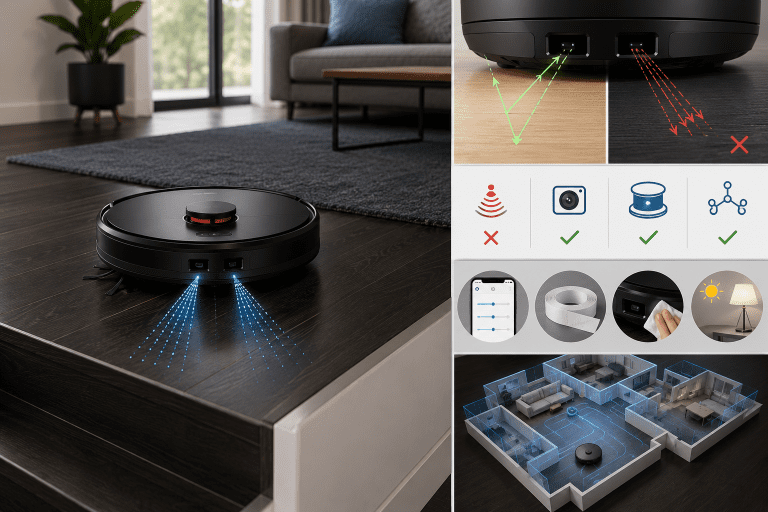
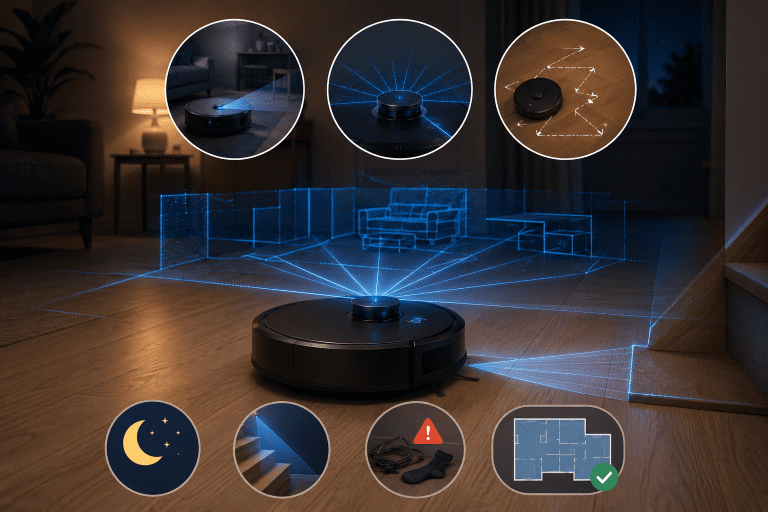
Obstacle avoidance has improved a lot recently. Mid-range and premium models now use LiDAR or camera-based navigation to map your home accurately and avoid things like charging cables and pet bowls. Cheaper models bump around randomly, which works but isn’t efficient.
Auto-lift mop functionality — this one is genuinely worth paying for if your home has mixed flooring. Models like the Roborock S8 Pro Ultra or Dreame L20 Ultra can raise the mop pad automatically over carpet. Without this feature, you’re either running the device in vacuum-only mode on carpet or accepting a damp rug, which… no.
Self-emptying and self-washing bases are available on premium models. The robot returns to its dock, empties its dustbin, and cleans the mop pad automatically. Convenient, but these systems add cost and complexity — the bases themselves can be quite large.
How Does the Mopping Performance Actually Stack Up?
Honestly? It depends heavily on the price tier.
Budget models (under $200) treat mopping as more of an afterthought. The pad drags along the floor with a fixed amount of moisture. It’ll pick up light dust and give your floors a bit of shine, but don’t expect much more than that.
Mid-range models ($250–$500) get more sophisticated. Oscillating or spinning mop heads, adjustable water flow, and better navigation all make a real difference. The Roborock Q Revo and similar options in this bracket do a genuinely solid job on everyday messes.
Premium models ($600+) bring features like AI-powered stain detection, pressurized scrubbing, and self-cleaning mop systems. For the right buyer, they’re transformative. For someone who just wants cleaner floors with less effort, they may be more than necessary.
The Honest Verdict
A robot vacuum with mop combo is worth it — with some realistic expectations attached.
If you want a device that keeps your hard floors consistently clean between deeper manual cleans, reduces the time you spend on daily maintenance, and handles pet hair and light grime without your involvement, these machines deliver on that promise well.
They’re not a replacement for your traditional mop. They’re not going to make your floors spotless after a dinner party. But as a daily maintenance tool? They’re one of the more practical smart home investments available right now.
Start in the $300–$500 range if you’re buying for the first time. You’ll get solid performance without paying for premium features you may never use.