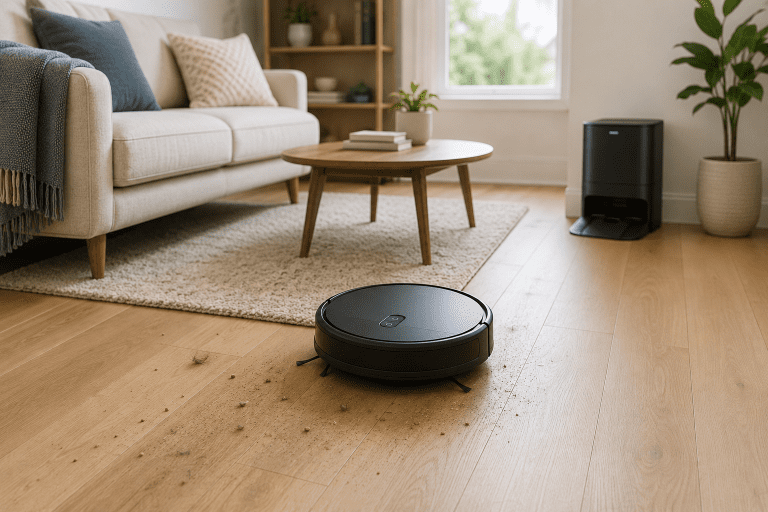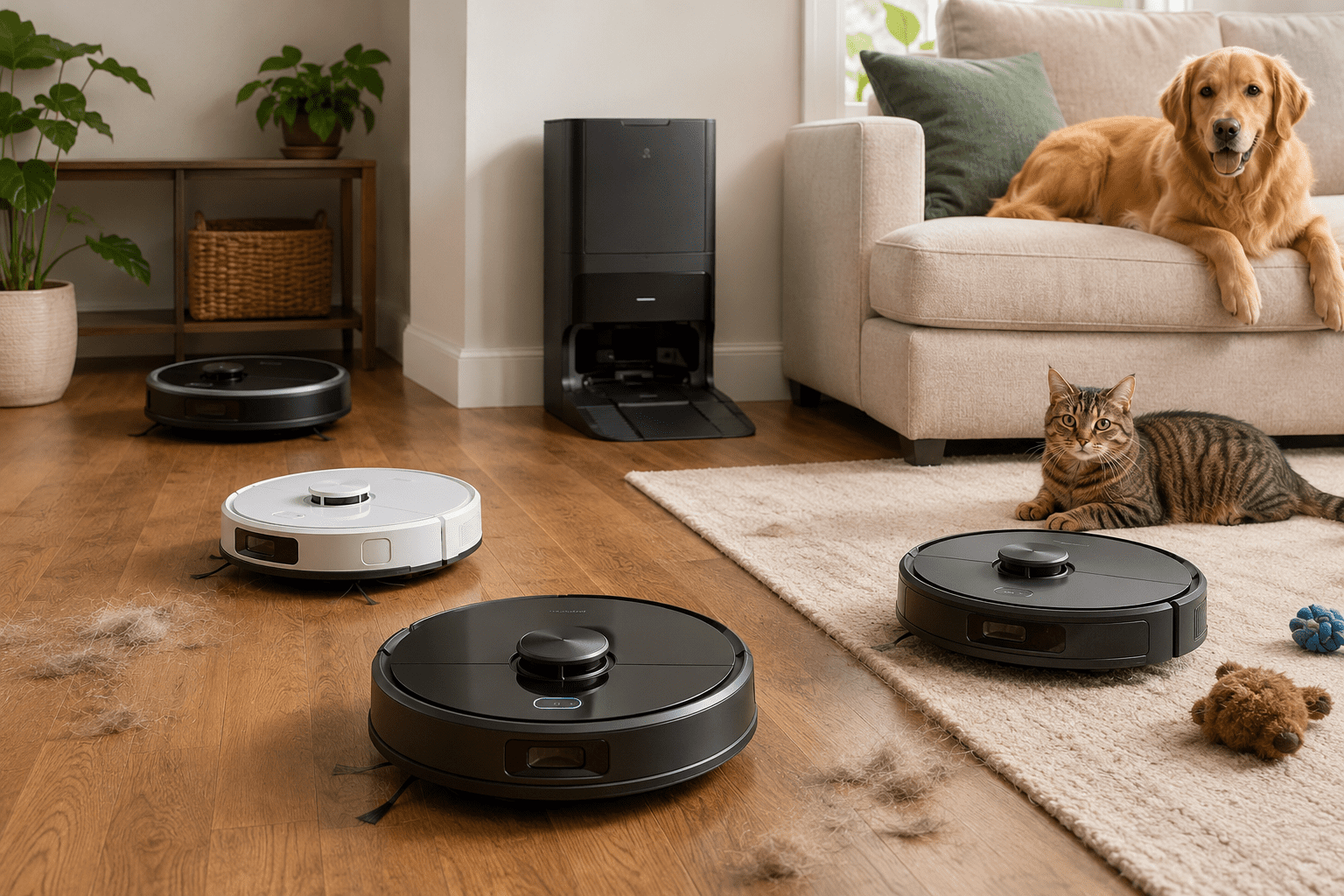
If you share your home with a dog or cat, you already know the struggle. Pet hair gets into everything: couch cushions, carpet fibers, corners you forgot existed. Sweeping helps, but only until the next shedding session. That’s where robot vacuums for pet hair actually earn their keep. They run while you’re at work, they handle daily maintenance, and the good ones don’t tangle up after two minutes on a rug.
This guide covers the models worth your money in 2026, what separates a decent pick from a frustrating one, and a few honest caveats to keep in mind before you buy.
What Makes a Robot Vacuum Good for Pet Hair
Not every robot vacuum handles pet hair well. A few things matter more than the spec sheet suggests.
Suction power is the obvious one, but raw power doesn’t tell the whole story. You want consistent suction across different floor types, not just on hard floors where everything is easy. Carpets trap hair deep in the fibers, and cheaper models often give up before they get there.
Brush roll design matters a lot. Traditional bristle brushes tangle with pet hair constantly, which means you’re cutting it free every few days. Many newer models use rubber or silicone brush rolls that agitate hair without wrapping it. If you have a heavy shedder, this alone is worth the upgrade.
Filtration is worth considering if anyone in your household has allergies. HEPA-style filters trap fine particles like dander, not just visible hair.
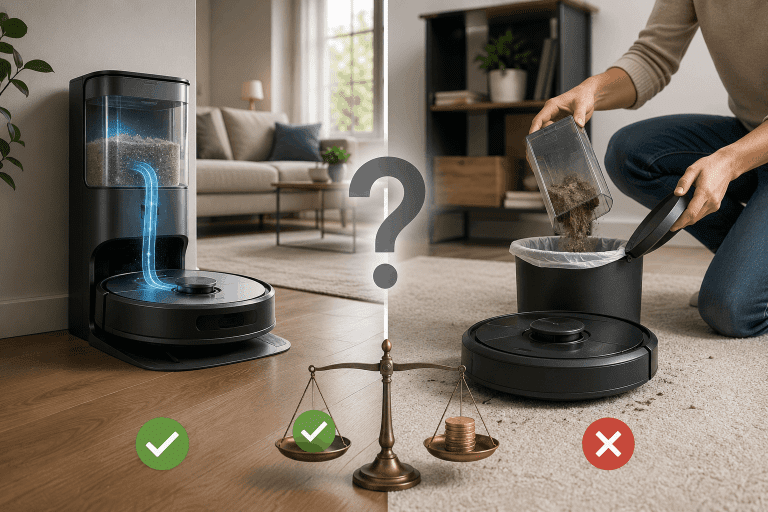
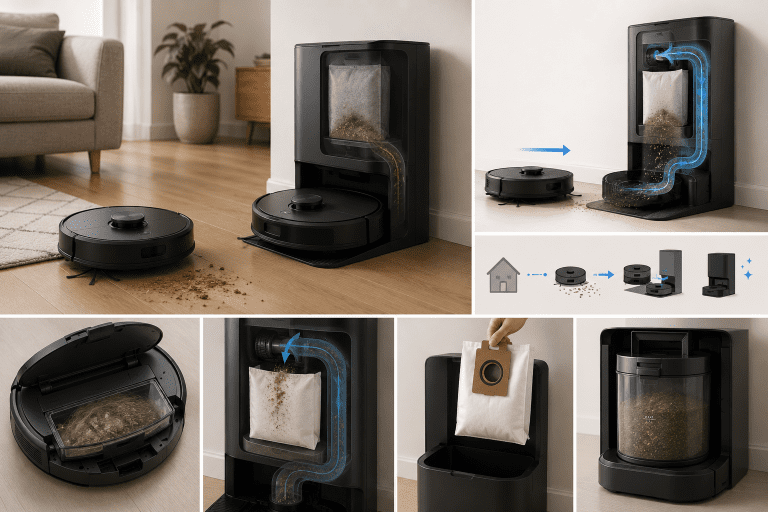
Bin capacity is underrated. Smaller bins fill up fast in pet homes, and a full bin means the vacuum is essentially pushing debris around. Some premium models now come with auto-empty bases that dump the bin for weeks at a time without any effort from you.
Top Robot Vacuums for Pet Hair in 2026
Here’s a look at the models that perform well in real-world pet hair conditions:
| Model | Best For | Suction | Self-Emptying | Approx. Price |
|---|---|---|---|---|
| iRobot Roomba Combo 10 Max | Overall pick | Strong | Yes | ~$750 |
| Roborock Saros Z70 | Heavy shedders + mopping | Very Strong | Yes | ~$1,200 |
| Eufy RoboVac X10 Pro Omni | Mid-range value | Strong | Yes | ~$550 |
| Shark Matrix Plus 2-in-1 | Budget-friendly | Moderate | No | ~$300 |
| Dreame X50 Ultra | All-in-one cleaning | Very Strong | Yes | ~$950 |
iRobot Roomba Combo 10 Max remains a reliable choice for most pet owners. The rubber brush system handles hair well, the smart mapping has gotten genuinely useful, and the auto-empty base keeps maintenance minimal. It’s not cheap, but the day-to-day experience is polished.
Roborock Saros Z70 is for households with heavy shedding and hard floors mixed with carpet. It vacuums and mops in the same pass, and the obstacle avoidance handles pet toys scattered around the floor without much fuss. The price is steep, but it replaces multiple cleaning tools.
Eufy RoboVac X10 Pro Omni sits in a middle ground that a lot of buyers find appealing. You get solid suction, a self-emptying base, and good battery life without crossing into four-figure territory.
Shark Matrix Plus 2-in-1 is the practical choice if you want something that gets the job done without overthinking it. It doesn’t have all the smart features, but it covers the floor consistently and won’t break the bank.
Dreame X50 Ultra is worth a look if you want strong performance across both carpet and hard floors. It’s been one of the more talked-about releases heading into 2026, with competitive suction and a capable mop system.
Robot Vacuums and Different Floor Types
Most modern robot vacuums handle hard floors reasonably well. Where they differ is on carpets, particularly low-pile vs. high-pile.
On low-pile carpet, most of the models above perform well. On thick rugs or high-pile carpet, you need a model with enough suction to pull hair out of the fibers. The Roborock Saros Z70 and Roomba Combo 10 Max both do this better than average. Cheaper models sometimes get stuck or skim the surface.
If your home is mostly hard floors (tile, hardwood, vinyl), you have more flexibility. A mid-range model will likely handle it fine, especially if you run it daily.
Features That Sound Useful but Vary in Practice
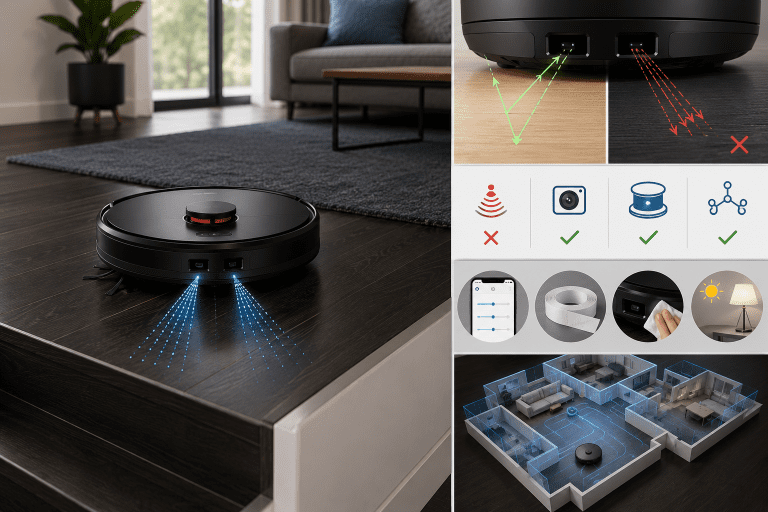
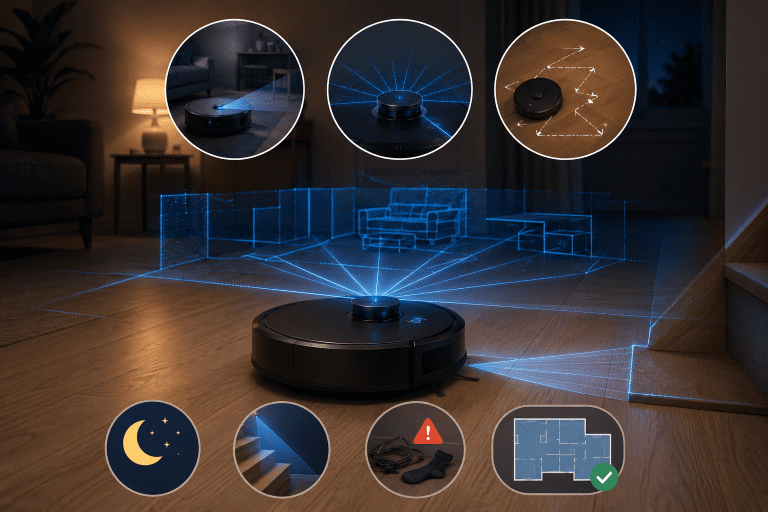
Obstacle avoidance. Most brands advertise this, but quality varies. Some models reliably avoid pet waste and cables. Others misidentify dark floor mats as drop-offs and stop entirely. If this matters to you, check user reviews specifically about obstacle detection, not just the official specs.
Mopping combo units. These work well on sealed hard floors for light cleaning. They’re not a replacement for a proper mop when things get messy, but for daily maintenance in pet households, they’re a useful bonus.
Voice and app control. Nearly every current model connects to an app. The more useful features are scheduling (run at 10am every day), zone cleaning (just do the kitchen), and no-go zones (avoid the dog’s water bowl). Most apps work fine once set up, though initial setup can be fiddly.
A Few Things Worth Knowing Before You Buy
Robot vacuums are maintenance tools, not set-and-forget devices. You still need to empty the bin regularly (unless you have an auto-empty model), clean the brush roll occasionally, and clear the sensors when they get dusty.
They also work best as a daily supplement to occasional deep cleaning, not a complete replacement. For heavily trafficked areas or after a dog runs in from outside, a traditional vacuum still does a more thorough job.
That said, for daily pet hair management, a well-chosen robot vacuum reduces visible hair noticeably and keeps floors looking presentable between deeper cleans.
Bottom Line
The right robot vacuum for pet hair depends on your floors, your pet’s shedding level, and how much maintenance you want to deal with. For most households, the Roomba Combo 10 Max or Eufy X10 Pro Omni hit a practical balance of performance and cost. If you have heavy shedders and a bigger budget, the Roborock Saros Z70 or Dreame X50 Ultra cover more ground.
Whatever you pick, the rubber brush roll and adequate bin size are the two features you don’t want to compromise on. Everything else is a bonus.